Discover the Important Features of an Ergonomic Workplace Chair That You Should Consider
Selecting the appropriate ergonomic workplace chair is necessary for anybody spending long hours at a desk. Secret features such as adjustable seat height, back assistance, and armrest adjustability can greatly influence comfort and stance. Comprehending the importance of seat depth and material quality also plays a fundamental duty in general contentment. Nevertheless, many forget various other crucial facets. What extra variables should be taken into consideration to assure peak performance and well-being in the workspace?
Adjustable Seat Elevation
When selecting an ergonomic office chair, adjustable seat height is an essential attribute that substantially enhances comfort and usability. This characteristic enables customers to personalize the chair's height to their private demands, guaranteeing that their feet remainder level on the floor while their knees remain at a 90-degree angle. Correct seat elevation adds to perfect pose, minimizing strain on the legs and lower back throughout expanded durations of resting.
Furthermore, flexible seat height accommodates a varied series of body types and workdesk setups, making it a functional option for both home and workplace settings. The simplicity of adjustment typically involves a straightforward bar mechanism, enabling users to change the height with minimal initiative. This function is especially useful in common work areas, where several individuals may use the same chair. Inevitably, spending in an ergonomic office chair with adjustable seat elevation is important for promoting general well-being and performance in the office.
Lumbar Support
Lumbar assistance is a vital feature in ergonomic office chairs, as it assists maintain the natural contour of the spinal column and decreases the threat of neck and back pain. Flexible lumbar support allows individuals to tailor the degree of support according to their individual demands, advertising much better position throughout the day. This adaptability not only improves comfort yet also adds to total productivity and wellness.
Importance of Lumbar Assistance
Correct back assistance is important for maintaining a healthy posture during long hours of sitting - Ergonomic Office Chair. The back region of the spine is normally bent, and without ample support, this contour can squash, bring about discomfort and strain. Insufficient lumbar support can lead to a selection of concerns, including lower neck and back pain, muscle mass fatigue, and reduced performance. When a workplace chair supplies correct lumbar assistance, it helps to align the spinal column, minimizing the chance of establishing bone and joint disorders. This assistance urges the user to rest back in the chair, advertising interaction of the core muscular tissues and improving overall comfort. As a result, choosing an ergonomic chair with ideal lumbar support is crucial for individuals who invest prolonged durations at their desks
Flexible Lumbar Characteristics
Flexible lumbar features are important in boosting the performance of office chairs developed for extended sitting. These features enable individuals to tailor the elevation, deepness, and suppleness of the back assistance to straighten with their unique back curves. Correct lumbar assistance reduces discomfort and promotes healthy and balanced posture, minimizing the risk of back pain connected with extended desk work. When choosing an office chair, it is very important to try to find options that use very easy modifications, making it possible for users to locate their best support degree. In addition, some chairs come with memory foam or breathable products, enhancing convenience throughout lengthy hours. Overall, adjustable lumbar functions greatly add to a more ergonomic work area, promoting efficiency and well-being amongst individuals.
Seat Deepness and Width
Ideal Seat Measurements
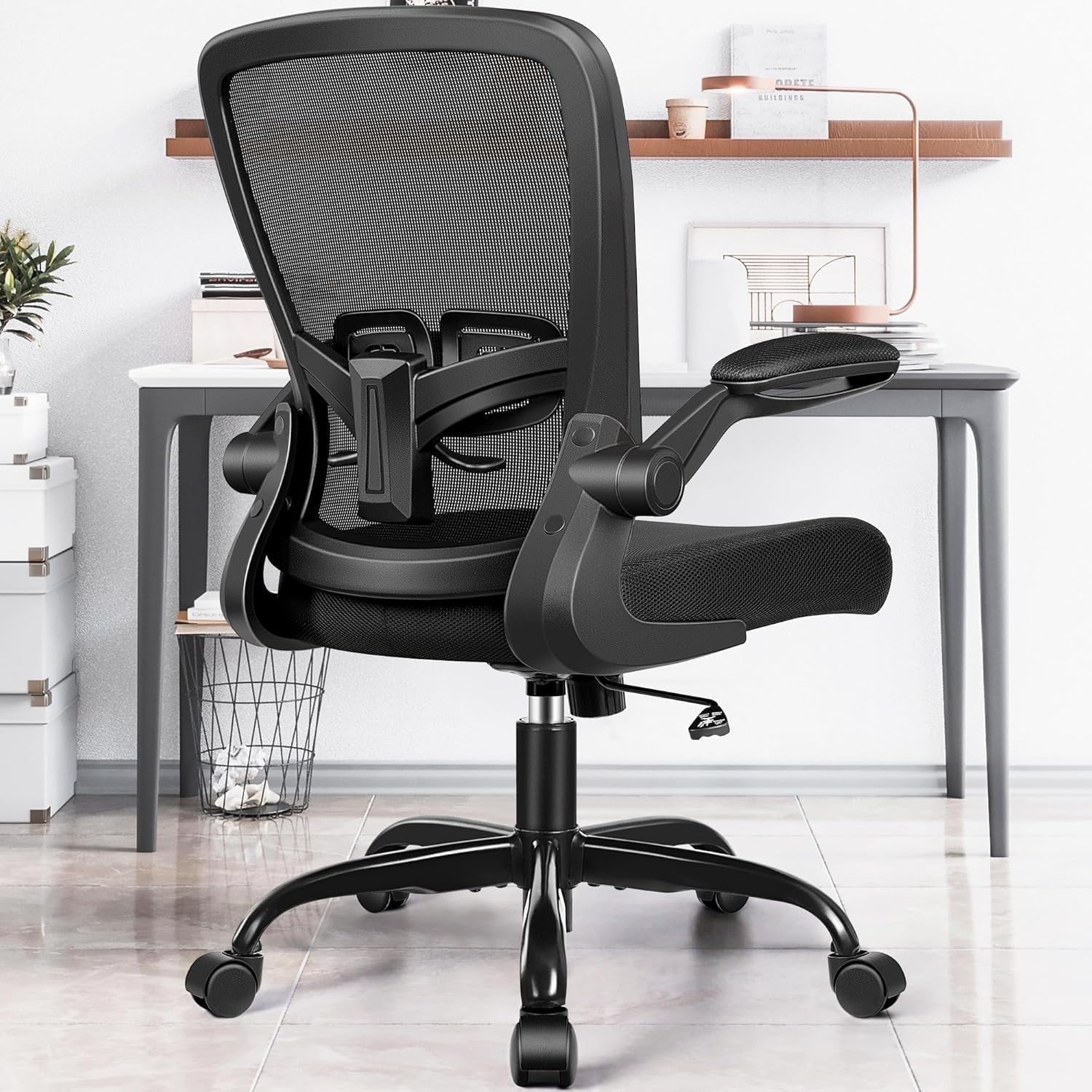
Locating the best equilibrium in seat dimensions is essential for comfort and assistance in an ergonomic workplace chair. A suitable seat size commonly ranges from 18 to 22 inches, fitting numerous type of body while preserving convenience of movement. Seat deepness is similarly vital, with an advised depth of 16 to click for more 18 inches, permitting individuals to sit conveniently without feeling restricted. Appropriate seat dimensions guarantee that the thighs are properly sustained while leaving a small space in between the back of the knees and the seat edge, promoting flow. In addition, the seat must make it possible for users to keep an all-natural pose, lowering the danger of strain. Overall, choosing the ideal seat measurements is vital for enhancing productivity and well-being throughout long hours of resting.
Adjustability for Comfort
Effect on Stance
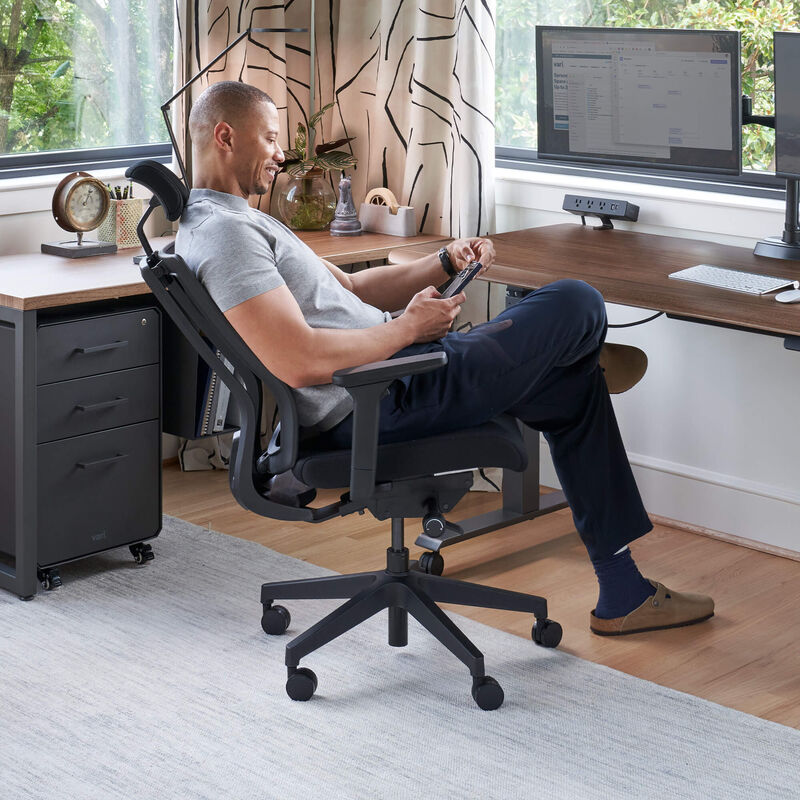
Correct seat deepness and width considerably influence stance, as they directly impact exactly how a user aligns their body while seated. A perfect seat depth permits the upper legs to rest fully on the chair without too much stress at the back of the knees, promoting flow and convenience. If the seat is too deep, it can bring about slouching, while a seat that is as well shallow may not offer sufficient assistance. The width of the seat need to fit the customer comfortably, permitting for all-natural arm positioning without constraint. A chair that sustains a neutral spine setting motivates far better pose, reducing strain on the back and neck. Selecting the right seat dimensions is critical for maintaining healthy position during long term resting.
Armrest Adjustability
Armrest adjustability plays a vital duty in enhancing individual comfort and support during extended durations of sitting. Ergonomic office chairs often include armrests that can be moved in numerous directions-- backwards and forwards, side to side, and even rotated. This flexibility allows users to find the ideal elevation and angle, minimizing stress on the shoulders and neck. Appropriate armrest placing can also ease pressure on the wrists, advertising much better hand positioning when typing or making use of a computer mouse. Furthermore, flexible armrests fit different body types and personal choices, making sure that each customer can attain anchor a tailored fit. Dealt with armrests may bring about discomfort and fatigue, especially during expanded use, whereas adjustable alternatives supply the adaptability needed for vibrant job atmospheres. Consequently, when choosing an ergonomic workplace chair, considering armrest adjustability is vital for total comfort and performance at the office.
Backrest Recline and Turn
Backrest recline and tilt functions substantially add to an ergonomic workplace chair's total assistance and comfort. These systems permit users to change the angle of the backrest, offering perfect spinal positioning and minimizing stress on the lower back. A chair with a proper recline function makes it possible for individuals to change their posture throughout the day, promoting much better flow and reducing fatigue.
The tilt function urges dynamic activity, allowing customers to engage their core muscle mass while seated. This adaptability is necessary for keeping emphasis and performance throughout long hours of work. Chairs that offer a large range of recline angles deal with different preferences, suiting both upright seats for tasks and an extra unwinded position for breaks.
Product and Develop Quality
The choice of product and construct quality is essential in identifying the long life and convenience of an ergonomic office chair. Top notch materials, such as breathable mesh or sturdy fabric, enhance air flow, giving a comfy seating experience during long hours of usage. The frame should preferably be built from robust products like steel or reinforced plastic, making sure stability and support.
In addition, the high quality of foam made use of in cushioning substantially influences comfort levels; memory foam adapts to body shapes, supplying customized assistance while minimizing pressure factors. An ergonomic chair ought to also include a well-designed framework that enables adjustments, guaranteeing that individuals can customize the fit to their private requirements.
Furthermore, the construct top quality must consist of strong wheels and a trusted gas lift device for smooth elevation adjustments. Purchasing a chair with superior materials and develop quality inevitably adds to better pose, performance, and overall health in the work environment.
Often Asked Concerns
How Do I Pick the Right Chair for My Physique?
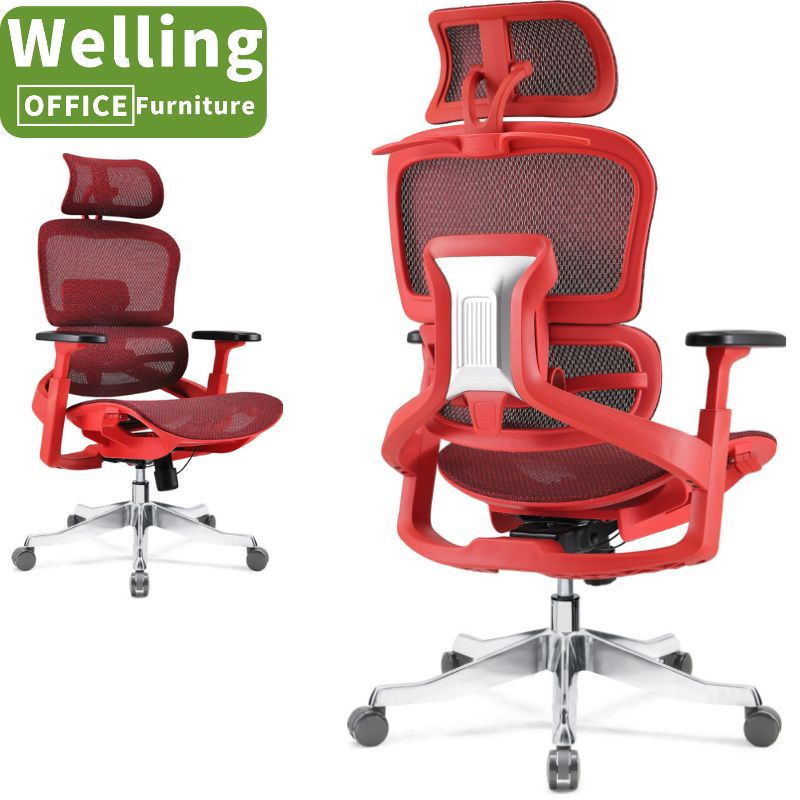
To pick the right chair for one's body type, one need to assess seat elevation, lumbar assistance, seat deepness, and armrest positioning. Checking various versions guarantees convenience and appropriate placement, inevitably advertising far better position and health.
Are Ergonomic Chairs Ideal for Brief or High People?
Ergonomic chairs can be appropriate for both high and brief individuals, given they provide flexible features such as seat height, backrest, and armrests. This versatility assurances comfort and assistance for various body kinds and sizes.
Can I Utilize an Ergonomic Chair With a Standing Workdesk?
Yes, an ergonomic chair can be utilized with a standing workdesk. It gives versatility for rotating between sitting and standing, promoting far better stance and comfort throughout the day, ultimately boosting efficiency and lowering fatigue.
How Typically Should I Change My Chair Setups?
Readjusting chair setups should occur regularly, ideally every couple of hours or when experiencing discomfort. Regular modifications advertise much better pose and comfort, enhancing efficiency and minimizing stress throughout long term periods of resting. Consistency is essential for optimal ergonomics.
What Is the Average Life Expectancy of an Ergonomic Workplace Chair?
The typical life-span of an ergonomic workplace chair usually varies from 7 to ten years, depending upon usage, materials, and maintenance. Regular care can expand its durability, ensuring suitable assistance and comfort throughout its life.
When picking an ergonomic office chair, flexible seat elevation is an important feature that greatly improves convenience and use. Seat depth and width are crucial elements in determining the general comfort of an ergonomic workplace chair. Finding the appropriate equilibrium in seat measurements is important for comfort and assistance in an ergonomic workplace chair. While convenience is vital in an ergonomic workplace chair, the ability to change seat depth and width plays a necessary function in suiting specific choices and body kinds. To pick the best chair for one's body kind, one have to analyze seat elevation, lumbar assistance, seat deepness, and armrest positioning.